


Currency
The official currency of Canada is the Canadian dollar ($). One dollar is made up of 100 cents (¢). Coins vary in size, shape, and color. They have colloquial names that Canadians use in everyday life, such as:
•5¢ – nickel
•10¢ – dime
•25¢ – quarter
•$1 – dollar or “loonie”
•$2 - two dollars or “toonie”
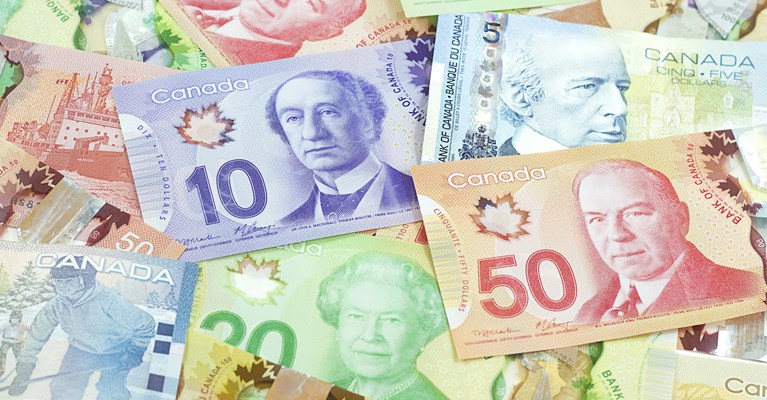
The Bank of Canada issues paper banknotes. All banknotes are the same size, but they differ in color. The most common banknotes are:
•$5 – blue
•$10 – purple
•$20 – green
•$50 – red
•$100 – brown
Exchanging Foreign Currency for Canadian Dollars
If possible, it is advisable to exchange some money for Canadian dollars before arriving. However, this can also be done on-site.
Most airports have currency exchange counters. Additionally, you can use a foreign debit or credit card to get cash from one of Canada's ATMs.
Sending Money
If you send money by mail, do not do it with cash. Instead:
•use a check or money order
- buy a money order at the post office or your bank
•transfer money directly to another bank account
•transfer money through a private money transfer service
Some of these options have fees. Make sure you know how much it will cost you before sending funds.
More information can be obtained from immigrant service organizations in your area.
Tipping
The standard tip amount in Canada is 15% of the bill. Tipping is customary in:
•bars
•taxis
•hotels
•restaurants
•some other situations
}
