


Chinese New Year – second new moon after the winter solstice (working day)
Groundhog Day – February 2 (working day)
Family Day – third Monday in February (provincial holiday)
Valentine's Day – February 14 (working day)
National Flag of Canada Day – February 15 (working day)
Pink Shirt Day – last Wednesday in February (working day)
Commonwealth Day – second Monday in March (working day)
St. Patrick's Day – Monday closest to March 17 (working day)
Good Friday – mid-April, Friday (general holiday)
Easter Sunday – mid-April, Sunday (general holiday)
Easter Monday – mid-April, Monday (general holiday)
Mother's Day – second Sunday in May (working day)
International Day Against Homophobia, Transphobia & Biphobia (IDAHOT) – May 17 (working day)
Victoria Day – penultimate Monday in May (general holiday)
Father's Day – third Sunday in June (working day)
Canada's National Indigenous Peoples Day – June 21 (working day)
Canadian Multiculturalism Day – June 27 (working day)
Canada Day – July 1 (general holiday)
Civic Holiday – first Monday in August (general holiday)
Labor Day – first Monday in September (general holiday)
National No Excuses Day – September 27 (working day)
Orange Shirt Day – September 30 (working day in Ontario)
Thanksgiving Day – second Monday in October (general holiday)
Halloween – October 31 (working day)
Remembrance Day – November 11 (federal holiday)
National Day of Remembrance and Action on Violence Against Women – December 6 (working day)
Anniversary of the Statute of Westminster – December 11 (working day)
Christmas Day – December 25 (general holiday)
Boxing Day – December 26 (general holiday)
New Year’s Day – January 1

Celebrating the New Year differs from how it is commonly celebrated in many CIS countries. While New Year’s is one of the most important holidays in the post-Soviet region, in Canada it more likely marks the end of the long series of winter holidays and a return to the workweek.
Traditionally, Canadians celebrate New Year’s not over a festive dinner but outdoors. They welcome the beginning of the year in the city’s main square, enjoying a holiday concert, and then go skating until morning.
Chinese New Year – second new moon after the winter solstice
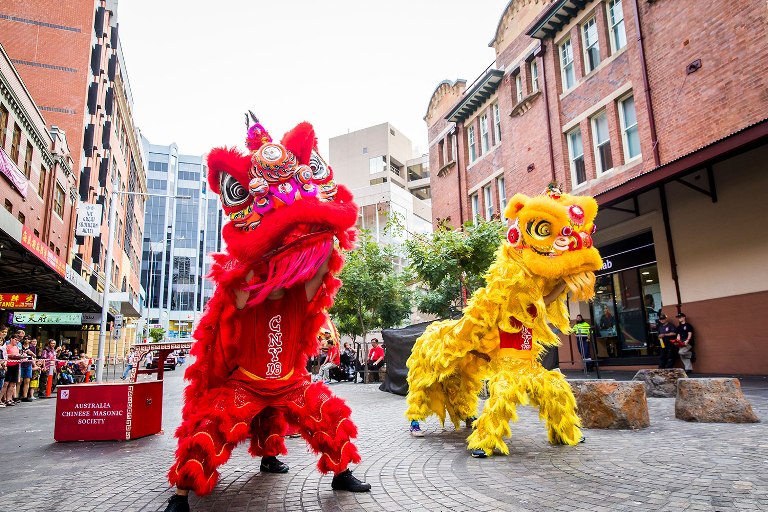
In many countries people celebrate Chinese New Year, also known as the Spring Festival or Lunar New Year. It falls on the first day of the new year according to the Chinese lunar calendar, corresponding to one of the days between January 21 and February 21. Chinese New Year is not a statutory holiday in Canada.
Chinese New Year is a bright and festive event for many Canadians. Celebrations may last several days and often include various events, such as street parades and Chinese festivals with fireworks.
Groundhog Day – February 2

Every year on February 2, people in Canada and the United States watch a groundhog emerge from its burrow. This is not simply a matter of naturalist interest. It is based on a belief rooted in Celtic legends. If, on a cloudy day, the groundhog does not see its shadow when it looks out of its burrow and calmly leaves its shelter, this means spring will arrive soon. If the weather is sunny that day, the groundhog will see its shadow and, frightened by it, retreat into its burrow. This means Canadians can expect six more weeks of winter. Groundhog Day is not a statutory holiday in Canada.
Many Canadians celebrate Groundhog Day by spending it taking down the Christmas decorations at home. Wiarton hosts the largest winter festival, where the Canadian groundhog Wiarton Willie predicts an early spring or a long winter every year early in the morning on February 2. Unfortunately, the furry celebrity died at the age of 22 in 1999. However, the tradition had become so firmly established in Canada that a successor was found for him.
Family Day – third Monday in February

This holiday was first celebrated in Alberta in 1990. The federal government established Family Day to give Canadians a break during the long stretch of weekdays without any holidays, and also to remind them of family values and how important it is to spend time with family.
On this day, people across Canada gather with their relatives and loved ones. Many families spend this holiday weekend actively: skating, skiing and walking outdoors. Those who prefer other kinds of recreation can attend various events that are interesting to both children and their parents. An interesting fact: many museums are free on this day, and ticket prices at many cultural institutions are reduced.
Valentine's Day – February 14

The history of the year’s most romantic holiday, Valentine's Day, is not known with certainty. Its origins may date back to pre-Christian times in Europe, when several fertility festivals were held in mid-February. Around 1380, the English poet Geoffrey Chaucer wrote a poem honouring the first anniversary of King Richard II’s engagement to Anne of Bohemia. This is considered the first association between the celebration of romantic love and Valentine’s Day on February 14. On this day, all businesses in Canada operate as usual.
The tradition of celebrating February 14 in Canada differs little from those of other countries: Canadians also send valentines, secret declarations of love and gifts to people with whom they are, or wish to be, in romantic relationships. Couples in love go to restaurants or rent a hotel room, schoolchildren decorate their classrooms with themed decorations, and shops sell heart-shaped cakes and cookies.
National Flag of Canada Day – February 15
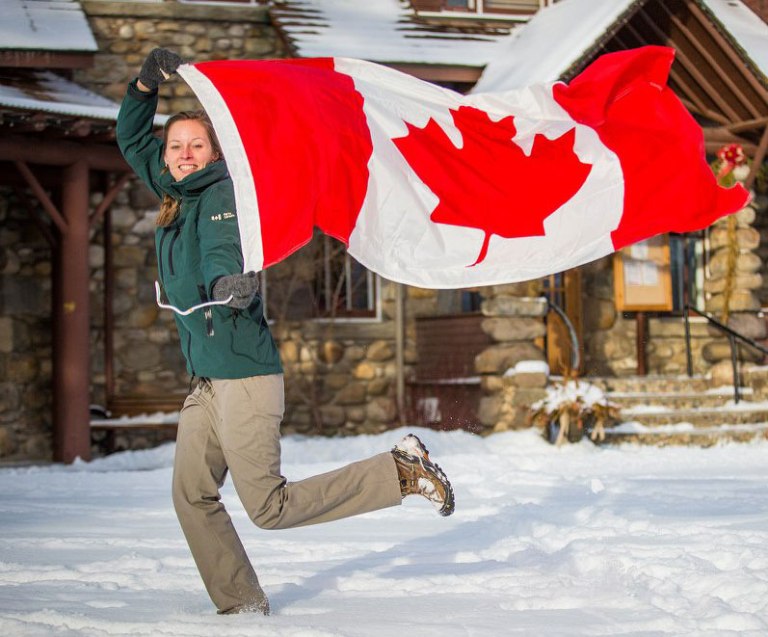
Canada’s national flag was adopted on February 15, 1965. The anniversary of this date is officially called National Flag of Canada Day, often shortened to Flag Day. Flag Day is not a statutory holiday in Canada.
On this day, many Canadians fly the Canadian flag at their homes, while some people attach maple-leaf pins to their clothing. Schools hold lessons devoted to the Canadian flag and its history. Large-scale events are sometimes held for Flag Day, but this does not happen every year.
Pink Shirt Day – last Wednesday in February

The history of Pink Shirt Day began in 2007, when two young men from Nova Scotia, David Shepherd and Travis Price, distributed 50 pink shirts to high school students after a Grade 9 student, Chuck McNeil, was bullied for wearing a pink shirt on his first day at a new school. In this way, David Shepherd and Travis Price stood up against the bullying of Chuck McNeil, and Nova Scotia Premier Rodney MacDonald was so inspired by what happened that he declared the second Thursday of September “Anti-Bullying Day”.
Pink Shirt Day aims to raise Canadians’ awareness of such a serious and, unfortunately, widespread problem as bullying.
Commonwealth Day – second Monday in March
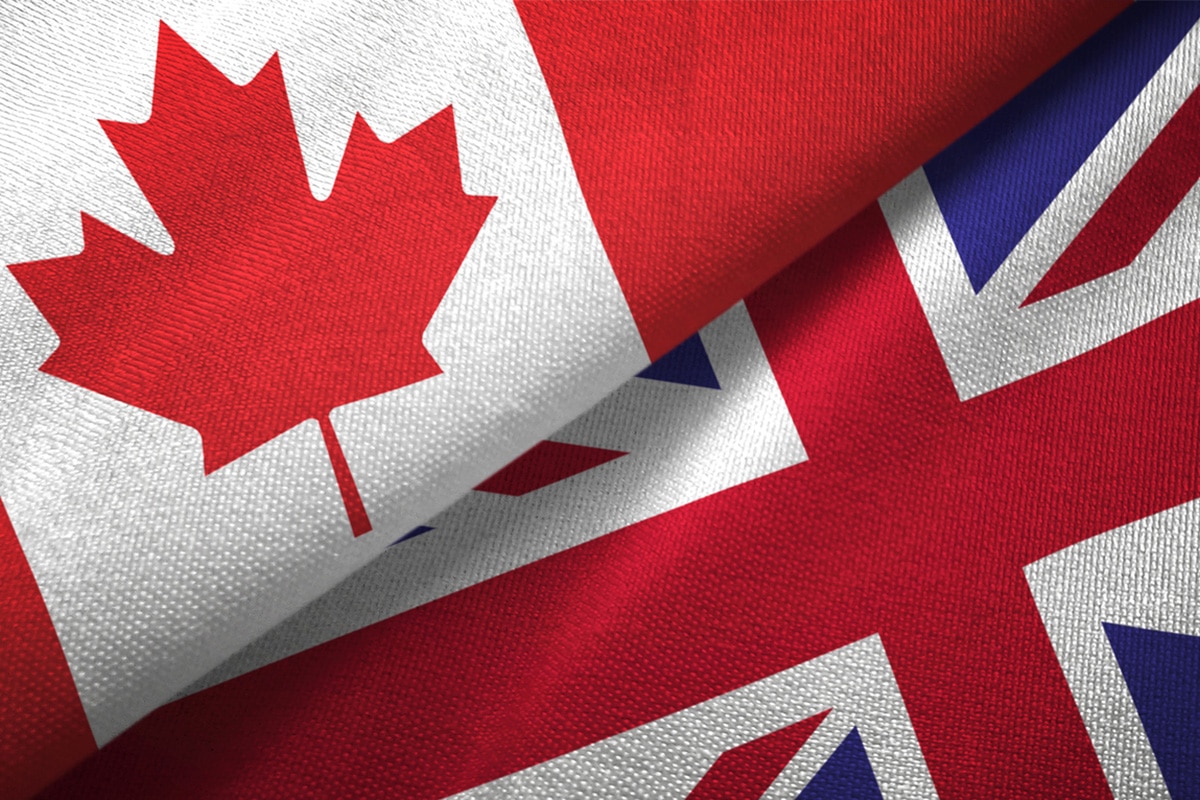
Commonwealth Day is held annually on the second Monday in March and commemorates the Commonwealth of Nations, an association of countries that were formerly part of the British Empire. Commonwealth Day is not a statutory holiday in Canada.
Commonwealth Day is not widely celebrated in Canada. Under a federal government directive, the Royal Union Flag, or Union Jack, must be flown alongside the national flag of Canada on government buildings such as military bases, airports and others.
St. Patrick's Day – Monday closest to March 17

St. Patrick's Day is celebrated on the anniversary of the death of the Christian missionary Patrick. He became known for playing an important role in converting the people of Ireland to Christianity and ridding the island of snakes. The tradition of celebrating St. Patrick's Day was brought to Canada by the Irish. Today, it is a holiday in Newfoundland and Labrador, while in other parts of Canada it is an ordinary working day.
Large St. Patrick’s Day parades are held in some cities across the country, particularly Toronto and Montreal. They usually take place on the Sunday closest to March 17. Irish cultural events are held in some places. For example, the Irish Association of Manitoba organizes a three-day Irish cultural festival. Traditional St. Patrick’s Day fare includes colcannon, while the drinks include stout, dark beer and whiskey.
Good Friday – mid-April, Friday
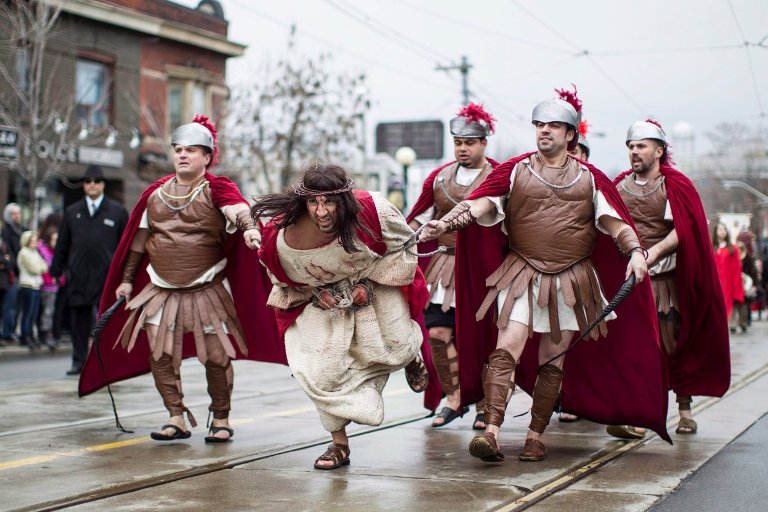
Good Friday falls two days before Easter Sunday. It is the day when Christians commemorate the crucifixion of Jesus Christ, which plays an important role in the Christian faith. It is a statutory holiday in all provinces and territories of Canada except Quebec.
On this day, Christians attend church services, as Good Friday is a day of mourning and quiet prayer. Some Catholics observe a partial fast on Good Friday and abstain from meat, but they are unlikely to forgo the traditional treat—hot cross buns. For non-Christian Canadians, Good Friday marks the beginning of the long-awaited spring break, when they can visit family or friends.
Easter Sunday – mid-April, Sunday

Easter Sunday commemorates the resurrection of Jesus Christ after his death, as described in the Christian Bible. Some people attend Sunday church services, while others prefer to spend the day colouring Easter eggs or with their family and friends.
In Canada, Easter is celebrated on Sunday and is a statutory holiday in Newfoundland and Labrador and Nova Scotia. On this day, people can take part in Easter contests and enjoy such a traditional dish as mustard-crusted lamb.
Easter Monday – mid-April, Monday
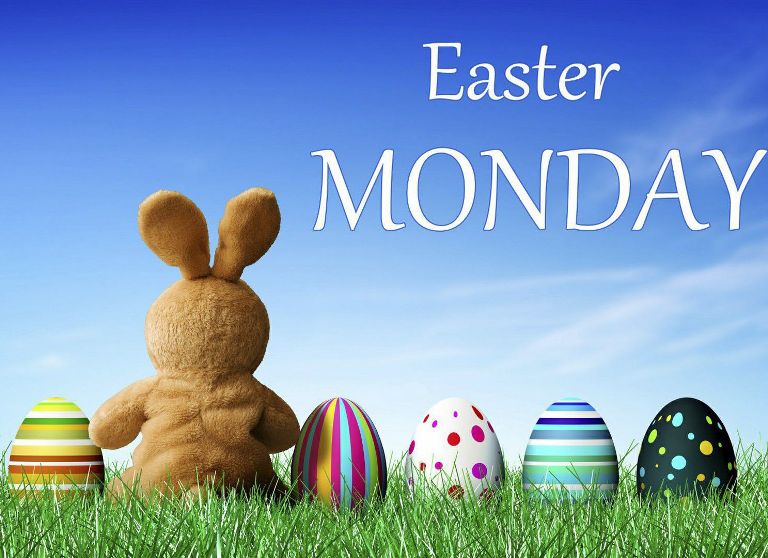
According to the Christian Bible, Easter Monday is the day after Easter, when the resurrection of Jesus Christ is celebrated. Although Easter Monday is not an official statutory holiday, it is traditionally a non-working day for most working Canadians.
Easter Monday marks the end of the long Easter weekend, so Canadians often spend the day at home recovering before the workweek.
Mother's Day – second Sunday in May

Mother's Day originated in the United States through the efforts of Anna Jarvis of Philadelphia. The woman wanted to express appreciation not only for her mother, who had raised 11 children, but for all mothers around the world. She managed to persuade President Thomas Wilson, who established Mother’s Day on the second Sunday in May in 1914. Canadians supported the initiative. Mother’s Day is not a federal holiday in Canada, but because it falls on a Sunday, many organizations, such as schools and government institutions, are closed.
On this day, Canadians express their gratitude and give gifts to their mothers, stepmothers, adoptive parents and close family friends. Carnations are the symbol of Mother’s Day in Canada and the United States.
International Day Against Homophobia, Transphobia & Biphobia (IDAHOT) – May 17
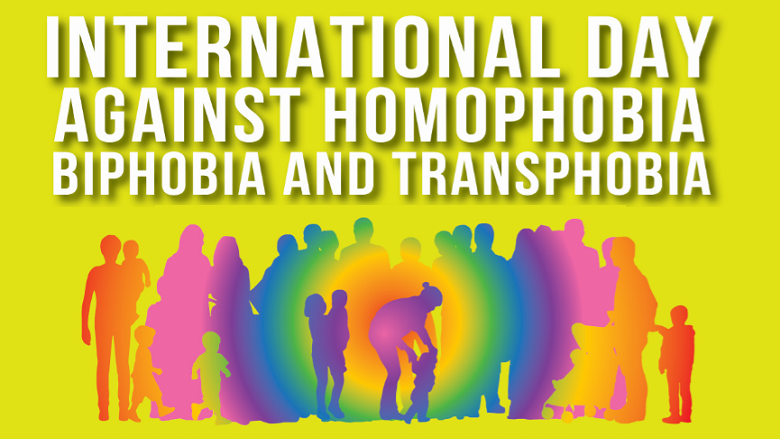
Since 2003, Canada has celebrated International Day Against Homophobia, Transphobia & Biphobia annually. This holiday was established in honour of the day the World Health Organization removed homosexuality from its list of mental disorders—this occurred on May 17, 1990.
IDAHOTB is observed in more than 130 countries, bringing together millions of people worldwide to demonstrate support for recognition of human rights for everyone, regardless of sexual orientation, gender identity or forms of self-expression. A range of events is usually held on this day, from large-scale street marches to online broadcasts.
Victoria Day – penultimate Monday in May

Victoria Day. Canada is part of the Commonwealth of Nations, whose monarch is the monarch of the United Kingdom, so Canadians honour the royal family and its traditions. Today, Victoria Day celebrates not only her birthday, which falls on May 24, but also the birthday of the reigning monarch, regardless of their actual birthday. This holiday has statutory status in 7 provinces (except Nova Scotia, Prince Edward Island and Quebec) and in 3 territories. Schools and most businesses are closed on this day.
Victoria Day is always accompanied by fireworks in the squares of major Canadian cities. On this day, fountains and amusement park rides begin operating, and people head outdoors for picnics.
Father's Day – third Sunday in June

The idea of establishing the holiday first occurred to American Sonora Smart Dodd in 1909, in a church during a service dedicated to Mother’s Day. In this way, she wanted to honour her father, who had raised six children alone after becoming a widower. Sonora then created a petition to establish a new holiday, which was supported by the local authorities. Father's Day is not a statutory holiday in Canada, but it falls on a Sunday, so it is a day off for many Canadians.
Despite the holiday’s name, people congratulate not only fathers on this day, but also men who, although they have no children, have nevertheless influenced the lives of younger generations, played an important role in their lives and become examples for them. Various events are also held in early summer for this holiday, including Father’s Day runs, family festivals and tours.
Canada's National Indigenous Peoples Day – June 21

Canada's National Indigenous Peoples Day is celebrated annually on June 21 to recognize the unique heritage, diverse cultures and outstanding achievements of the country’s Indigenous peoples. National Indigenous Peoples Day is not a statutory holiday, so businesses and schools operate as usual.
Canada's National Indigenous Peoples Day gives many people an opportunity to learn more about Indigenous peoples and their contribution to the country’s development. Numerous events are held on this day, at which Indigenous representatives showcase their culture and achievements.
Canadian Multiculturalism Day – June 27
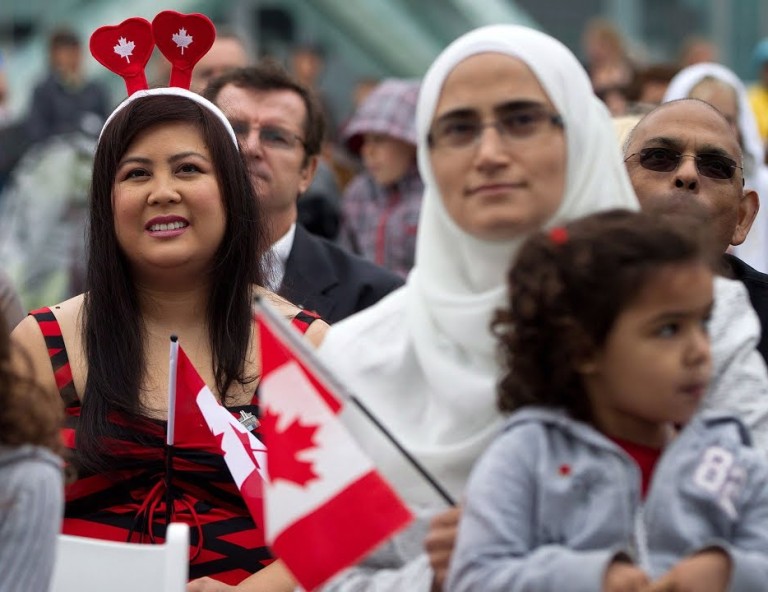
In 2002, the Canadian government established Canadian Multiculturalism Day to give every resident of the country an opportunity to learn about Canada’s cultural diversity. This is not surprising, since one of the defining features of Canadian society is the ethnic and religious diversity of its population. In addition, Canada does not have the harsh assimilation of ethnic groups seen in some other countries: here, all community members have the right to speak and study in their mother tongue.
On this day, various festivals with live music and traditional foods are held in Canada’s provinces, showcasing the culture of one ethnic community or another.
Canada Day – July 1
On this day in 1967, the British North America Act was signed. At that time, three British colonies—Canada, New Brunswick and Nova Scotia—formed a single federation. This act remains an important part of the Canadian Constitution today. Canada Day is a statutory holiday. It is a day off for residents of the country.
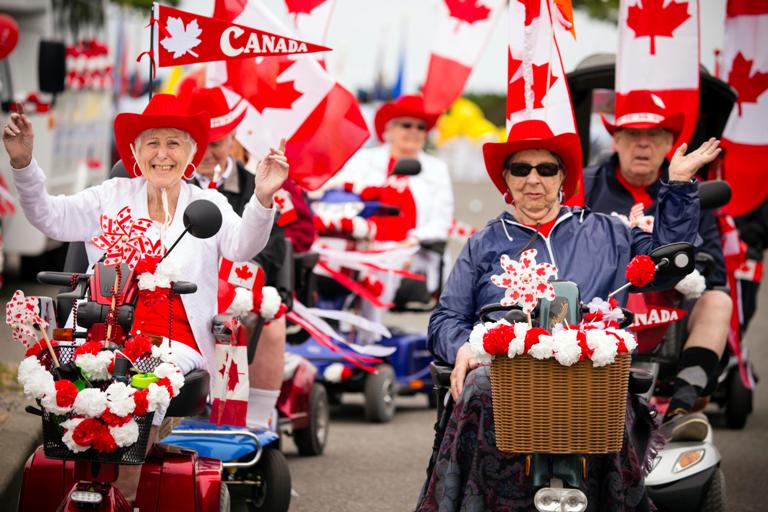
Each province organizes the holiday in its own way. Parades, festivals, picnics, air and water shows and free musical concerts are held; the country’s government and members of the royal family gather in Ottawa. New Canadian citizens are invited to an oath-taking ceremony on this day. The symbol of the holiday is the Canadian flag, and many people paint their faces red and white.
Civic Holiday – first Monday in August

This day has not been legislated as a statutory holiday across the country, and some municipalities often give it another, more specific name; for example, in Toronto the holiday is called Simcoe Day, while in Ottawa it is Colonel By Day. Although this holiday is not recognized as a statutory holiday in Canada, most businesses nevertheless give their employees the day off.
On the first Monday in August and, in some places, throughout the entire week, various events dedicated to aspects of local culture, history and achievements are held, such as sporting events, fireworks, races and festivals.
Labor Day – first Monday in September

Labor Day is a statutory holiday observed across Canada on the first Monday in September. Its origins date back to April 15, 1872, when the Toronto Trades Assembly organized Canada’s first major demonstration for workers’ rights. Although unions were illegal at the time, the parade received tremendous public support. Several months later, a similar parade was organized in Ottawa and passed by the home of Canada’s first prime minister, Sir John A. Macdonald. Later that day, he appeared before the gathering and promised to repeal all Canadian laws against unions. Labor Day was originally observed in the spring, but after 1894 it was moved to the fall. A similar holiday is observed on the same day in the United States.
Most Canadians use this day as an opportunity to spend time outdoors with their families and visit fall fairs and festivals. For many schoolchildren and students, the first Monday in September is the last chance to go to a party or see friends before the new academic year begins. Football fans spend the weekend watching Labour Day Classic games, which consist of three games. The first game is played on the Sunday before Labour Day, while the other two are played on Labour Day itself.
National No Excuses Day – September 27

National No Excuses Day is a new holiday that appeared in 2019. That was when the number of SCENE members reached 10 million. As Canada’s largest entertainment-related loyalty program, the organization decided to raffle tickets to its events. With the help of its partners Scotiabank and Cineplex, SCENE used the draw as part of an advertising campaign to mark September 27 as National No Excuses Day.
This day encourages people to set priorities and draws their attention to how often we look for a reason to stay home and turn down new experiences. National No Excuses Day encourages all Canadians to leave their homes, meet with those who matter to them and perhaps go out together for some entertainment.
Orange Shirt Day – September 30
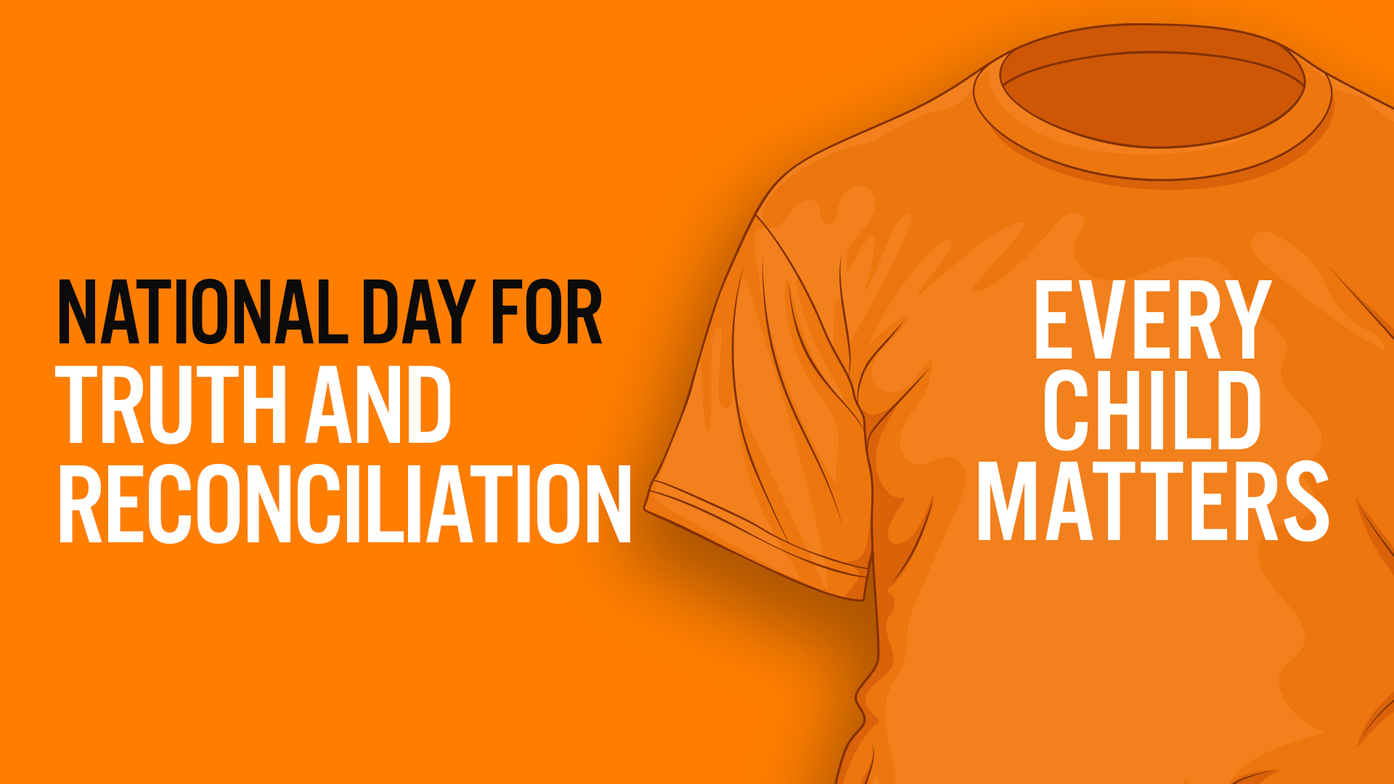
National Day for Truth and Reconciliation, also known as Orange Shirt Day, is an official Canadian holiday dedicated to Indigenous people who survived residential schools and to mourning the children who did not return home. Orange Shirt Day was first established in 2013. September 30 was chosen because it was the day Indigenous children were taken from their families and forced to attend residential schools against their will. The orange shirt became a symbol through the story of Phyllis Jack Webstad: on her first day at residential school, her new orange shirt was taken from her and never returned. This day was declared an official holiday by the Canadian government in 2021 in light of the discovery of more than 1,000 unmarked graves near former residential schools.
Every year on September 30, people across Canada wear orange clothing and participate in Orange Shirt Day events to learn more and raise public awareness about the history and legacy of Canada’s brutal residential-school system.
Thanksgiving Day – second Monday in October

Thanksgiving Day in Canada is a holiday observed on the second Monday in October, since 1957. This tradition dates back to the 16th century, during the period when Europeans were colonizing North America. At that time, local Indigenous people helped newly arrived Europeans survive in an unfamiliar new land and showed them how to cultivate the soil in such difficult weather conditions. As a sign of gratitude to the Indigenous people, the Europeans held a large celebration, preparing a dinner from products they had grown with the help of local residents. Thanksgiving is a statutory holiday and an official day off in Canada.
As a rule, Canadians gather as a family around a festive table laden with dishes prepared from the freshly harvested crop. Traditional Thanksgiving dishes include roast turkey and seasonal vegetable dishes. Fans of the Canadian Football League can spend part of the weekend watching classic Thanksgiving games.
Halloween – October 31

According to ancient Celtic beliefs, Halloween is the only night when spirits can come into the world of the living. Halloween is not a statutory holiday in Canada, and most businesses operate as usual.
Autumn in Canada is very picturesque, and lawns decorated with pumpkins look atmospheric at this time of year. But Canadians decorate their homes with more than just pumpkins. Walking through the streets can feel like visiting a museum, so creatively do they approach decorating their homes. However frightening the installations on the lawns may be, they are unlikely to scare local children enough to make them give up the tradition of trick-or-treating and candy.
Halloween is accompanied by a mystical holiday carnival, where everyone dresses up as some good or not-so-good character.
Remembrance Day – November 11
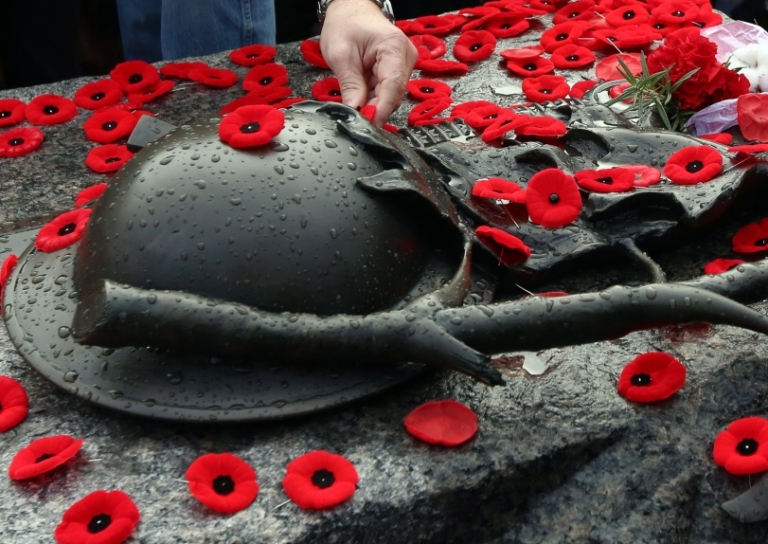
Remembrance Day is dedicated to remembering Canadian and British Commonwealth soldiers who died during the First and Second World Wars. The main symbol of this day is the red poppy, which symbolizes drops of blood. This day is not an official day off in Canada.
The main events on this day are held in the nation’s capital, Ottawa, at the National War Memorial. At 11 a.m. on the 11th day of the 11th month, two minutes of silence are observed, after which a cannon is fired, the Canadian anthem is performed and “In Flanders Fields” is sung. Events devoted to this important subject of war and peace are held at educational institutions across the country.
National Day of Remembrance and Action on Violence Against Women – December 6

More than 30 years ago, on December 6, 1989, 14 young women were murdered at the École Polytechnique de Montréal. This act of violence and misogyny caused widespread shock, prompting Parliament in 1991 to declare December 6 the National Day of Remembrance and Action on Violence Against Women, or White Ribbon Day.
This day is dedicated not only to remembering the women who died, but also to combating hatred, discrimination and the oppression of women.
Anniversary of the Statute of Westminster – December 11
The Anniversary of the Statute of Westminster is observed in Canada every year on December 11 to commemorate the establishment of the statute, which remains part of the country’s Constitution. This day is not a day off for businesses and schools.
On December 11, the Canadian flag and the Royal Union Flag, also known as the Union Jack, are displayed together all day. The flags can be seen on federal buildings, at airports, military bases and other government institutions.
Christmas Day – December 25

Many Christians in Canada celebrate the birth of Jesus Christ on December 25. It is a holiday when people exchange gifts and spend time with loved ones around a festive table.
Christmas Day can be called the most colourful and large-scale holiday in Canada, and of course December 25 is an official day off throughout the country.
From the beginning of December, the approach of the holiday can already be felt in the air: Christmas songs are heard everywhere, numerous Christmas trees are decorated, and children eagerly await their presents. An interesting fact: many residents of Canada have no connection to this Christian holiday, so in response to their greeting it is better to say not “Merry Christmas” but “Happy Holidays!”
Boxing Day – December 26

Boxing Day is a statutory holiday in 5 provinces (Alberta, New Brunswick, Newfoundland and Labrador, Nova Scotia and Ontario) and in 3 territories, where Boxing Day is a day off for the entire population and schools and most businesses are closed. This holiday has its roots in an old English tradition: in the 17th century, Christmas Eve feasts were very lavish, and all the servants worked tirelessly. The next morning, they were rewarded with boxes of food, fabric and other necessities. Today, only the name remains from this tradition, but Canadian entrepreneurs came up with a way to take advantage of the holiday and began holding sales for the occasion. These often last an entire week between Christmas and New Year’s and are known as “Boxing Week sales”.
A number of important sporting events are held on Boxing Day, and watching them on television is a popular activity among Canadians. The International Ice Hockey Federation World Junior Hockey Championships often begin on December 26. Sports channels also broadcast the Spengler Cup ice hockey tournament in Switzerland.
